
Most people have experienced it at some point. The more you try not to think about something, the more it seems to stay in your mind.
A difficult conversation, a mistake from the past, worries about the future or anxiety about something that has not even happened yet can keep replaying repeatedly. The natural response is often to try to stop the thoughts completely. But for many people, that approach rarely works.
In fact, trying to forcefully control thoughts can sometimes make them feel even stronger.
This has become increasingly common today. People are constantly dealing with pressure from work, studies, relationships, social expectations and online comparison. There is always something demanding attention. As a result, many individuals find themselves trapped in cycles of overthinking without realising how much mental energy it consumes.
Over time, this constant mental activity can contribute to stress, self-doubt, anxiety and emotional exhaustion.
Why Overthinking Feels So Difficult to Stop?
The mind is not designed to stay empty. Thoughts naturally arise throughout the day based on experiences, emotions, memories and concerns.
The challenge begins when people start engaging with every thought as if it requires an immediate solution.
One worry leads to another. A simple concern becomes a chain of imagined scenarios. Before long, the mind is occupied with situations that may never happen.
This is one reason conversations around health and mental wellbeing have become more important in recent years. Concerns around anxiety, emotional distress and burnout continue to grow, particularly among younger people who are managing academic pressure, career uncertainty and constant digital stimulation.
In many cases, the problem is not the existence of thoughts themselves. It is the habit of becoming completely absorbed by them.
Thoughts Need Direction, Not Force
A common misunderstanding is that peace comes from stopping thoughts completely.
For most people, that is neither realistic nor necessary.
Instead of trying to suppress every thought, it can be more helpful to understand where attention is being directed. Thoughts often become less overwhelming when people learn to observe them without immediately reacting to them.
This is why many mental stability tips focus on awareness rather than control.
Simple practices such as journaling, mindful breathing, spending time away from screens and creating space for reflection can gradually reduce mental clutter. These approaches do not eliminate thoughts overnight, but they often help people develop a healthier relationship with them.
In many ways, the process is less about controlling the mind and more about understanding it. For people searching for how to control their mind, this can feel counterintuitive at first. Yet trying to force the mind into silence often creates more frustration than relief.
Creating Space for Mental Quietness
One reason overthinking has become so common is that people rarely experience mental stillness anymore.
Even during moments of rest, the mind often remains occupied with messages, notifications, social media updates or future plans. There is very little opportunity to slow down internally.
Because of this, practices centred around meditation and self-reflection continue to attract attention from people looking for mental peace and practical ways to improve their emotional wellbeing.
Many individuals exploring how to reduce stress and anxiety find that regular meditation creates a small pause between thoughts and reactions. Over time, this can make stressful situations feel more manageable.
Meditation is often most effective when approached as a gradual process rather than a quick solution. The mind usually settles slowly. This is why many people describe meditation as less of a technique for stopping thoughts and more of a way to stop being carried away by every thought that appears.
Practices such as meditation for anxiety can also help individuals become more aware of emotional patterns instead of reacting to them automatically.
The Value of Guidance in the Process
While self-care is important, many people find it easier to navigate mental restlessness when they have guidance along the way.
Spiritual talks, reflective discussions and meditation practices often help people understand that they do not need to fight every thought that appears in the mind.
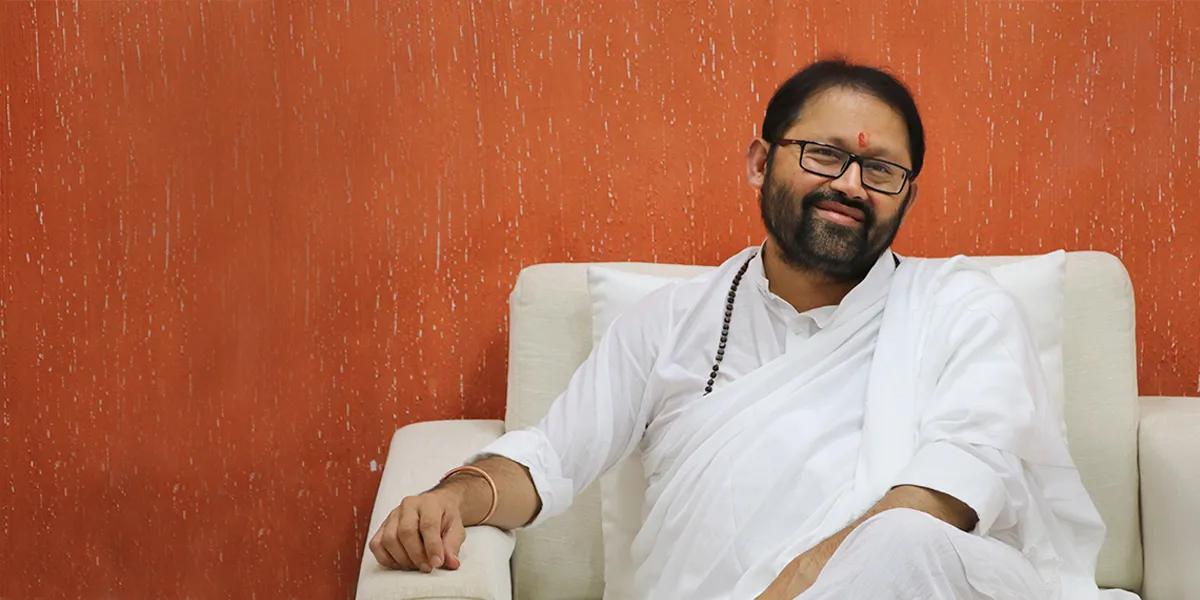
This is one reason the discourses of Pujya Gurudevshri Rakeshji resonate with many listeners. The talks frequently explore everyday challenges such as stress, emotional reactions, self-doubt and finding balance in modern life. Many people connect with them because the discussions often relate spiritual principles to situations that arise in daily life.
As the Founder of Shrimad Rajchandra Mission Dharampur, a global spiritual organisation inspired by the teachings of Shrimad Rajchandraji, he carries forward a structured path of spiritual growth for seekers worldwide. He is also an ardent devotee of Shrimad Rajchandraji, drawing deep inspiration from his teachings and integrating that philosophy into his own guidance and discourses.
For some individuals, listening to talks becomes the starting point. Over time, they may also explore meditation programmes, periods of silence and guided self-reflection as a way to create more space between themselves and their thoughts.
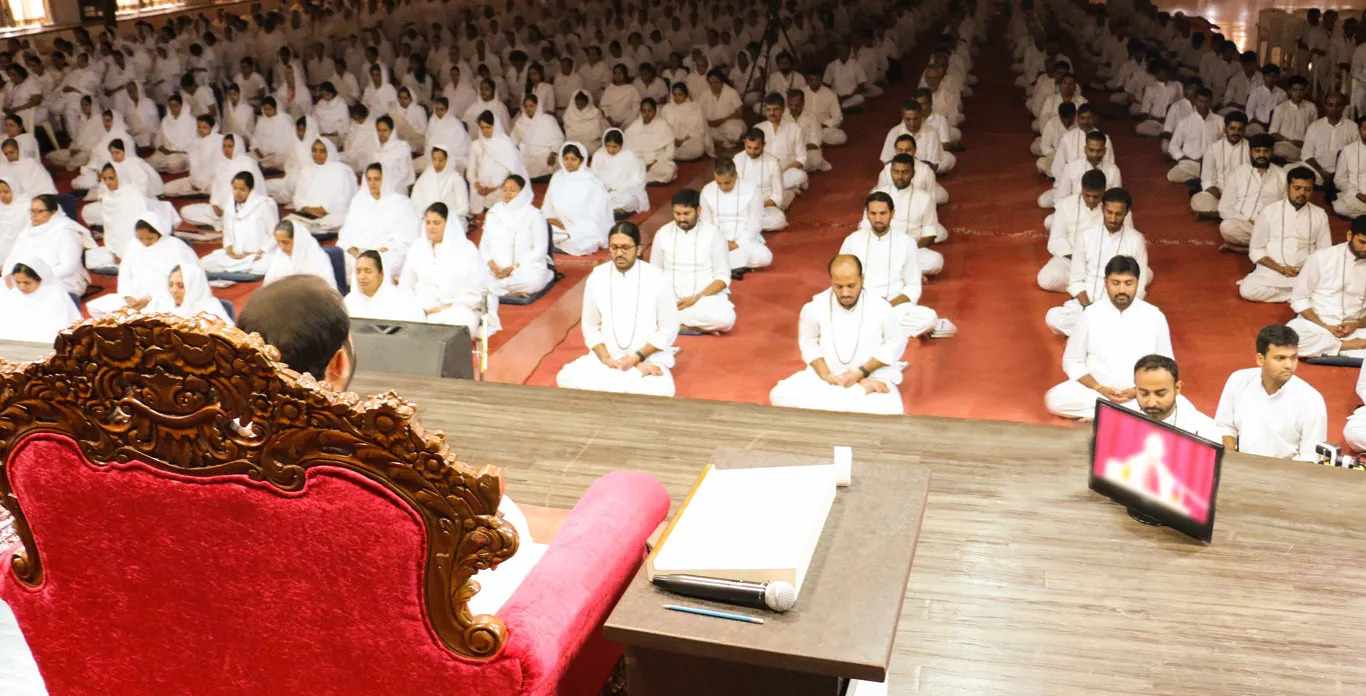
This is where a meditation retreat can be helpful. Spending a few days away from routine pressures often allows people to slow down mentally and observe their thought patterns more clearly.
Retreats conducted at Shrimad Rajchandra Mission Dharampur include practices such as guided meditation, satsangs, silence and introspection. Rather than focusing on controlling the mind, these practices encourage participants to observe thoughts with greater awareness and patience.
A Healthier Relationship With Thoughts
Most people do not need to win a battle against their thoughts. They need a healthier way of relating to them.
Trying to force thoughts away often creates frustration because the mind responds with even more resistance. A slower approach built around self-awareness, reflection and consistent practice tends to be more sustainable.
Whether through meditation, self-care, spiritual talks or guided retreats, the goal is not to stop thinking altogether. It is to become less controlled by every thought that appears.
For many people, that shift alone can make a meaningful difference in reducing stress and creating greater emotional balance in everyday life.



Write a comment ...